
Flores Overland: A Journey Through Indonesia’s Landscapes and Living Traditions
Flores is an Indonesian island best understood not as a single destination but as a route unfolding across the archipelago. Traveling overland from east to west makes the island’s scale and variety tangible, linking towns, rural settlements, and changing landscapes along roads that often take longer than a map suggests. Rather than moving quickly between famous sights, visitors can treat the journey itself as the main experience, pausing at viewpoints, markets, and villages along the way. This approach offers a fuller sense of how geography shapes daily life across Flores and gives each stretch of road a distinct character.
The scenery changes markedly across the island. Volcanic ridges and rugged peaks frame parts of the route, while greener highlands bring cooler air, cultivated slopes, and broad views over valleys. Farther along, coastal roads open onto blue water, small harbors, and quiet beaches that invite an unhurried stop. These contrasts are not confined to designated attractions; they appear between them, sometimes around a bend or beyond a village. Local communities add another dimension to overland travel. Flores is home to distinct languages, customs, and ways of life, and respectful encounters can help visitors appreciate traditions as living practices rather than staged spectacles.
Planning is important because distances on Flores can be deceptive. Roads are often winding, and journeys may be slowed by weather, road conditions, traffic, or necessary breaks. A route that appears manageable on paper can fill much of a day, so realistic itineraries should allow time for stops and unexpected delays rather than trying to cover too much at once. Travelers benefit from choosing a few overnight bases, checking current conditions, and arranging transport suited to local roads. With a measured pace, the island’s changing scenery and everyday encounters become central to the trip, not merely intervals between destinations.
Crossing Flores by road reveals an island of striking contrasts. Rugged mountain ranges rise above deep valleys, while volcanic slopes give way to forested hills and cultivated land. In cooler uplands, terraced fields follow the contours of the hillsides, and small villages appear between patches of forest and farmland. The route is rarely a simple passage from one destination to another: each bend can open onto a new view, from a distant ridgeline to a valley patterned with crops. Winding roads climb and descend through this varied terrain, making the changing scenery a central part of the journey.
The character of the landscape shifts from region to region. Eastern Flores offers high country and volcanic terrain, while central stretches bring wooded slopes, farms, and small towns set among the hills. Farther west, the scenery becomes increasingly coastal, with bays, dry hills, and glimpses of islands offshore. Short walks from the road can lead to viewpoints or village paths, and a pause in a town gives travelers time to notice local markets, daily routines, and the relationship between communities and the land. Such stops help break up long driving days and make the route feel more connected to the places it crosses.
Some of Flores’s best-known natural sights fit naturally into this wider overland experience. Near Moni, a visit to Kelimutu brings travelers to three crater lakes whose colors and appearance can vary with conditions. Around Labuan Bajo, beaches and offshore islands offer a coastal counterpoint to the island’s mountainous interior. These highlights are rewarding, but the journey between them is equally important: roadside vistas, quiet stretches of coastline, and unexpected pauses can become memorable parts of the trip. Weather may affect visibility, while rain, roadworks, or rough road surfaces can change access and travel times. Allowing flexibility helps travelers respond to conditions and enjoy the landscape at a comfortable pace.
An overland journey through Flores can reveal how cultural life changes from one region to another. The island is home to communities with distinct languages, customary practices, architectural styles, and relationships to the land. Stops at traditional villages, local markets, craft-making communities, and places of worship offer opportunities to learn about these differences through everyday settings. A locally guided visit can provide context that visitors might otherwise miss, including the meaning of house forms, shared spaces, and customary rules.
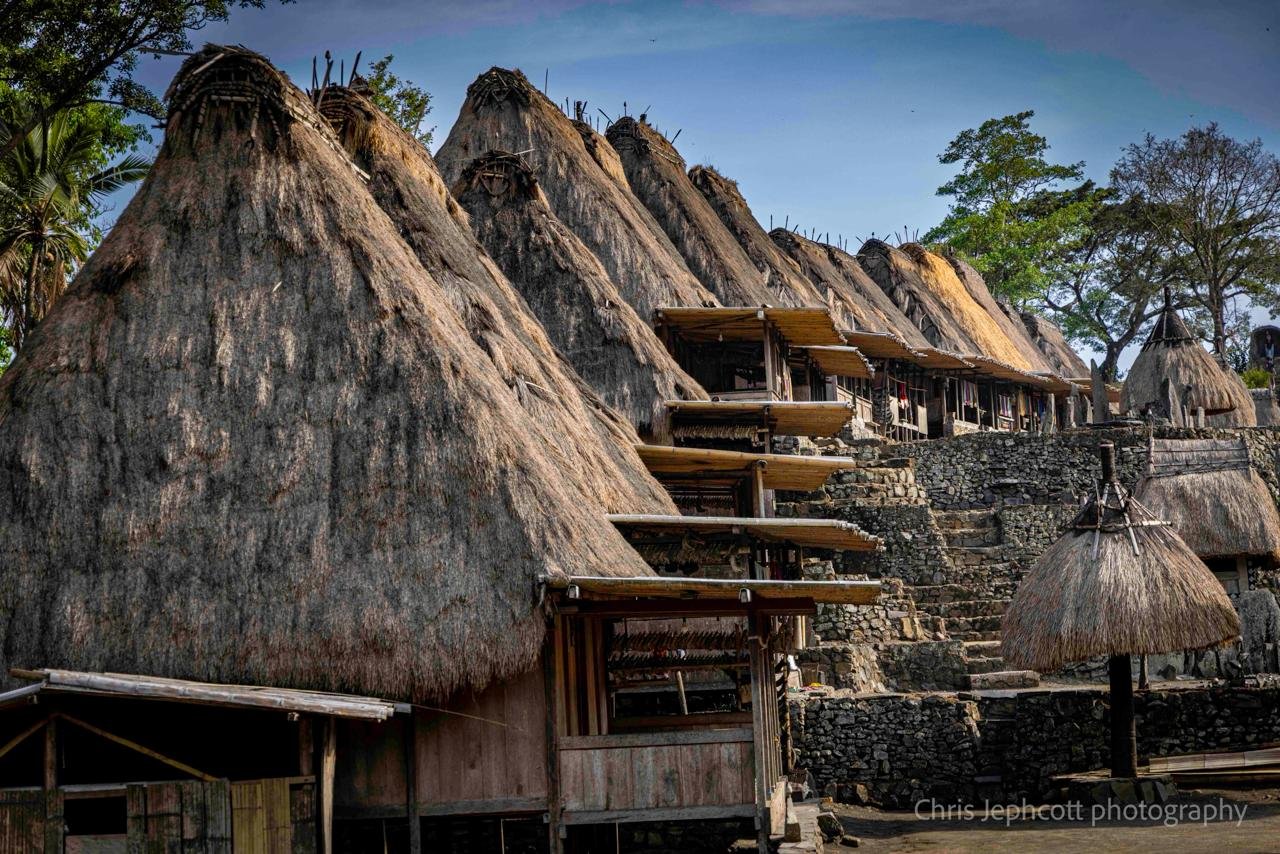
Bena, near Bajawa, is one well-known example of a traditional village, with houses arranged around a central ceremonial space and distinctive structures that reflect local beliefs and social ties. It is a living community, not simply an open-air exhibit, so visitors should follow guidance from residents and guides. Ask permission before photographing people, homes, or ceremonies, and avoid interrupting activities. Modest clothing is appropriate, particularly near sacred places, while a calm, attentive manner helps make an encounter more considerate.
Cultural experiences elsewhere on the route may include observing ikat weaving, visiting artisans, browsing produce and household goods at a market, or sharing regional food. Designs, techniques, ingredients, and customs vary across Flores; asking thoughtful questions can help travelers understand that diversity without assuming one village represents the whole island. Where possible, buy directly from makers or use community-run services, allowing tourism spending to benefit local residents. Visitors should also respect restrictions on access and follow instructions about offerings, sacred objects, and customary spaces. Approaching these encounters with curiosity rather than treating traditions as performances encourages genuine exchange. The most meaningful cultural stops are often those in which travelers take time to listen, recognize local expertise, and leave daily life undisturbed.
A successful multi-day crossing of Flores begins with a realistic route. Decide which landscapes and communities matter most to you, then plan enough time for viewpoints, village visits, short walks, and meals along the way. Distances can appear modest on a map, but winding roads, changing surfaces, and weather may make journeys slower than expected. Avoid filling every day with fixed stops; a measured pace leaves room to pause and enjoy unexpected discoveries. Before departure, confirm the vehicle, driver, itinerary, and costs with a reputable local operator or experienced driver. Clarify whether fuel, meals, entrance fees, and overnight stops are included.
Pack sun protection, such as a hat, sunscreen, and sunglasses, along with comfortable walking shoes suitable for uneven paths. Temperatures can vary between coastal areas and cooler highland locations, so bring light layers that are easy to add or remove. Carry drinking water for journeys and walks, and bring enough cash for small purchases, local transport, and places where card payments may not be available. Check what your accommodation provides before packing extra supplies. Keep essentials accessible during long drives, and allow flexibility in the schedule in case road conditions, weather, or other delays affect travel times.
Responsible choices can support both local communities and the places visitors come to experience. Dress and behave respectfully when visiting villages or sacred sites, and follow guidance from local hosts about photography and customary practices. Reduce waste by carrying a reusable bottle and refilling it where safe and practical; avoid leaving litter at viewpoints, beaches, or roadside stops. Whenever possible, choose locally owned accommodation, guides, and eateries, helping more travel spending remain in the region. Thoughtful preparation makes it easier to adapt to changing conditions, engage respectfully with Flores’s living traditions, and appreciate its natural beauty without rushing from one destination to the next.